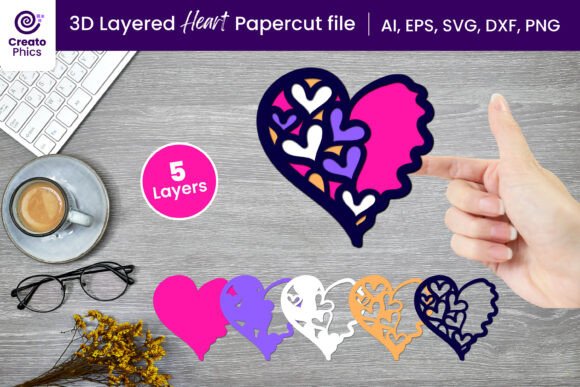
3D Layered Love Heart Paper, Laser Cut Design
In the realm of modern graphic design, texture and depth are no longer optional luxuries but essential tools for capturing attention. The resurgence of tactile aesthetics in digital spaces has led to a growing appreciation for intricate cut-out styles, particularly when applied to emotional themes like romance and celebration. This is where the concept of 3D Layered Love Heart Paper, Laser Cut becomes a vital asset for designers seeking to bridge the gap between flat digital files and tangible, high-impact visual experiences.
For creative professionals, understanding how to leverage layered papercut designs can significantly enhance brand identity and user engagement. These assets are not merely decorative; they serve as powerful components in visual storytelling, offering a sense of craftsmanship and care that resonates deeply with audiences. Whether you are working on wedding invitations, luxury packaging, or social media campaigns, integrating detailed SVG files allows for precise control over every curve and shadow.
Elevating Visual Communication Through Depth
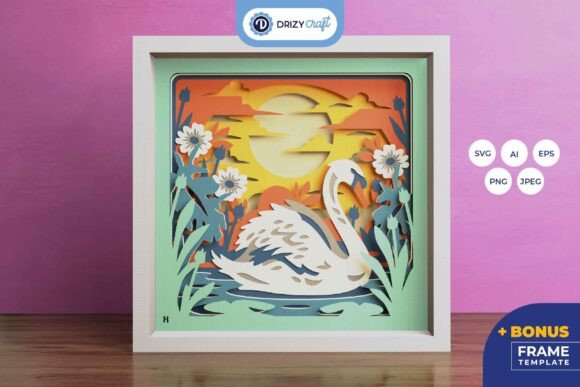
The primary advantage of using a 3D layered heart design lies in its ability to create visual hierarchy without clutter. In traditional flat design, depth must be simulated through gradients or drop shadows, which can sometimes appear artificial. However, a true layered papercut approach uses distinct physical or digital layers to build dimension naturally. This technique aligns perfectly with current design trends that favor authenticity and organic textures.
When incorporated into branding materials, these intricate swirls and floral details add a layer of sophistication. They signal to the viewer that attention to detail is a core value of the brand. For instance, in editorial design or high-end print marketing, such elements can transform a standard layout into a collector’s item. The interplay of light and shadow inherent in layered designs creates a dynamic viewing experience that keeps the audience engaged longer.
Practical Applications Across Creative Industries
Versatility is key when selecting creative assets. A well-designed 3D heart SVG is not limited to greeting cards. Its applications span various sectors of the design industry, providing a consistent aesthetic thread across multiple touchpoints. Here is how designers can effectively utilize these resources:
- Packaging Design: Use laser-cut patterns as window inserts or embossed textures on luxury gift boxes to create an unboxing experience that feels premium and personal.
- Social Media Graphics: Animate the separate PNG layers to create subtle motion graphics for Instagram or Pinterest, enhancing digital marketing efforts with eye-catching visuals.
- Wedding and Event Branding: Integrate the heart motif into save-the-dates, menu cards, and signage to establish a cohesive romantic theme that feels bespoke rather than generic.
- UI and Web Design: Employ the silhouette of the layered heart as a unique icon or background element for landing pages focused on love, charity, or community building.
- Merchandise and Print Products: Apply the design to tote bags, posters, or wall art, ensuring the vector files are scaled correctly to maintain crisp edges at any size.
Selecting the Right Assets for Your Workflow
To ensure professional results, it is crucial to evaluate the technical quality of your design files. A premium asset should offer compatibility with industry-standard software. Look for packages that include SVG, AI, EPS, and DXF formats. These vector formats ensure that your design remains scalable without losing resolution, which is critical for both small business cards and large-format banners.
Additionally, check if the file includes separate PNG layers with high DPI (300 DPI is standard). This feature is invaluable for designers who wish to manipulate individual elements in Photoshop or other raster-based programs. It allows for greater creative freedom, enabling you to adjust colors, add textures, or modify the composition to better fit your specific color palette and brand guidelines.
Consistency in style is another factor to consider. The swirls and floral details should complement your existing typography and logo design. Avoid mixing overly ornate cutouts with minimalist sans-serif fonts unless there is a deliberate contrast strategy in place. The goal is to achieve a harmonious balance where the decorative element enhances rather than overwhelms the core message.
Ultimately, the integration of high-quality, layered design elements reflects a commitment to excellence in visual communication. By choosing assets that offer both aesthetic beauty and technical flexibility, designers can create more meaningful connections with their audience. Whether for a heartfelt DIY gift or a major advertising campaign, the right creative resources empower you to tell stories that are not only seen but felt.