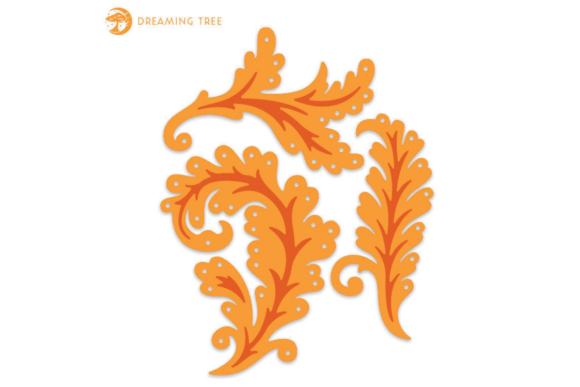
Design Elements: Elevating Your Creative Projects with Swirls, Flourishes, and Frames
If you have ever stared at a blank page or a digital canvas feeling like something is missing, you know the frustration of the "almost finished" project. The layout is solid, the colors work, but it lacks that final touch of polish. This is where Design Elements come into play. Specifically, a curated set of swirls, flourishes, and frame-ready accents can transform a standard creation into something that looks professionally crafted. Whether you are a seasoned scrapbooker, a small business owner designing invitations, or a hobbyist looking to add flair to your cards, these versatile pieces serve as the bridge between good and great.
Understanding how to effectively use these elements requires more than just dragging and dropping them onto a screen. It involves recognizing where visual weight is needed, how to guide the viewer’s eye, and when to let negative space breathe. By integrating these ornamental details thoughtfully, you bring a level of elegance and cohesive style to your work that resonates with audiences across various mediums.
Why Ornamental Details Matter in Modern Crafting
In an era of minimalist design trends, it might seem counterintuitive to add flourishes and swirls. However, the key lies in intentionality. Design elements are not about clutter; they are about emphasis. A well-placed divider can separate sections of text on a wedding menu without using harsh lines. A subtle corner accent on a gift tag adds a perceived value that plain cardstock simply cannot achieve.
For entrepreneurs and marketers, these details signal quality. When a customer receives an invitation or packaging adorned with intricate, clean-cut designs, it subconsciously communicates that care went into every aspect of the brand experience. For educators and publishers, these elements can break up dense information, making worksheets or newsletters more engaging and easier to navigate. The versatility of SVG formats ensures that these details remain crisp and sharp, regardless of whether they are printed on a small business card or enlarged for a signage display.
Real-World Applications for Creators and Businesses
The utility of this design set extends far beyond traditional paper crafts. Here is how different users can leverage these assets in their daily workflows:
- Wedding and Event Planners: Use frame-ready accents to create cohesive suites for invitations, save-the-dates, and table numbers. The swirls can act as elegant dividers between the ceremony details and reception information, guiding guests through the content smoothly.
- Small Business Owners: Enhance product packaging with custom stickers or labels. A simple flourish around your logo can elevate brand recognition. These elements also work beautifully on thank-you cards included in shipments, adding a personal touch that encourages repeat business.
- Scrapbookers and Memory Keepers: Instead of relying solely on patterned paper, use these overlays to highlight specific photos. A delicate border around a portrait draws attention to the subject, while background accents can fill empty spaces without overpowering the main memory.
- Educators and Homeschool Parents: Create visually appealing certificates, reward charts, or chapter headers for study guides. The professional look of these elements makes learning materials feel special and important to students.
Technical Advantages of SVG Formats
One of the most significant benefits of receiving these design elements in SVG format is scalability. Unlike raster images (like JPEGs or PNGs), which pixelate when resized, SVGs are vector-based. This means you can shrink a flourish to fit a tiny jewelry tag or expand it to cover a large poster board, and the edges will remain perfectly smooth. This is crucial for users with 12×12 cutting machines, as it ensures clean cuts without jagged edges that can ruin the aesthetic of a project.
Furthermore, SVG files are compatible with almost all modern cutting software and machines. Whether you use Cricut, Silhouette, or other popular brands, the integration is seamless. The inclusion of a handy PDF legend is a thoughtful addition that saves time. Instead of guessing which file corresponds to which shape, you can quickly identify the piece you need and select your paper colors accordingly. This efficiency is vital for professionals who bill by the hour or hobbyists who want to spend more time creating and less time searching.
Choosing the Right Materials for Best Results
While the digital file is essential, the physical medium plays an equally important role in the final outcome. The complexity of swirls and fine lines requires a material that holds its shape during cutting and weeding. Thin or flimsy paper may tear when you try to remove the excess material from intricate flourishes.
For optimal results, consider using high-quality cardstock. Encore Cardstock 80 lb cover (216 gsm) is an excellent choice for these types of projects. It provides enough stiffness to maintain the integrity of delicate cuts while being flexible enough for folding and layering. If you are looking to stock up on reliable materials, you can explore options at the 12×12 Cardstock Shop. Please note that this is a paid link at no extra cost to you, supporting the resources available to help you succeed in your crafting endeavors.
Considerations Before You Start Cutting
Before diving into your next project, take a moment to plan your layout. Because these elements are designed with versatility in mind, it is tempting to use many of them at once. However, restraint often yields a more sophisticated result. Ask yourself:
- What is the focal point? Ensure the design elements support rather than compete with your main text or image.
- How does the color contrast? Light flourishes on dark paper create a dramatic effect, while tone-on-tone combinations offer a subtle, textured look.
- Is the scale appropriate? Remember that while you can resize the project, the final dimensions may differ slightly from the original preview. Always do a test cut on scrap paper if you are working with a new size or material thickness.
Additionally, consider the end-use of the item. If it is a handheld invitation, ensure that any protruding swirls are secure and won’t snag or bend easily during mailing. For wall art or signage, you might opt for bolder, thicker lines that are visible from a distance.
Bringing Professional Polish to Everyday Projects
Ultimately, the value of this design element set lies in its ability to democratize professional design. You do not need a degree in graphic design to create stunning visuals. By leveraging pre-made, high-quality SVGs, you bypass the steep learning curve of creating vector art from scratch. This allows you to focus on the creative aspects of composition and color theory.
Whether you are enhancing a child’s birthday party signage or designing a corporate brochure, these tools provide the flexibility to adapt to your specific needs. The combination of ease-of-use, technical precision, and aesthetic appeal makes them a worthwhile addition to any creator’s toolkit. By understanding where and how to apply these swirls, frames, and accents, you unlock a new level of creative potential, turning ordinary projects into extraordinary keepsakes and marketing assets.