Basketball Ball 3D Printing Model Guide
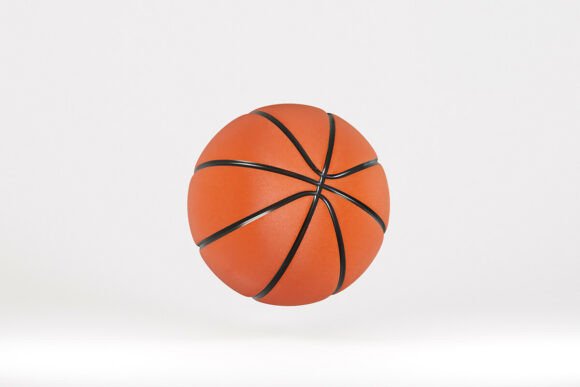
In the rapidly evolving landscape of digital content creation, the demand for assets that bridge the gap between virtual realism and physical tangibility is higher than ever. A Basketball Ball 3D Printing Model serves as a prime example of this convergence. It is not merely a static image or a low-poly placeholder; it is a meticulously crafted digital asset designed with precision to replicate the intricate textures, proportions, and visual weight of a real-world basketball. For creators, having access to such a high-fidelity model can significantly streamline workflows, whether the end goal is a photorealistic render, an interactive game asset, or a physical object produced via additive manufacturing.
Understanding the Technical Foundation
At its core, this model is built on high-quality polygon specifications. This means the geometry accurately represents the original object in real proportions, ensuring that the spherical shape and the iconic pebbled surface texture are captured without distortion. The resolutions are optimized for maximum polygon efficiency, a critical factor that assures smooth rendering and operation across various software environments. This balance between detail and performance is what makes the model versatile.
Furthermore, the file structure is designed for flexibility. It includes a Blend file with standard Blender 4.1 materials, compatible with both Cycles and Eevee rendering engines. This dual compatibility is essential for artists who need quick previews in Eevee or ray-traced realism in Cycles. Beyond Blender, the package provides files in multiple formats, including 3ds Max, STL, FBX, GLB, and OBJ. This broad compatibility ensures that the model can be manipulated according to specific project requirements, regardless of the primary software suite being used.
Perspectives for Different Creators
The value of a Basketball Ball 3D Printing Model varies significantly depending on the user’s role and objectives. Understanding these distinct perspectives helps in evaluating whether this asset aligns with your current needs.
For Game Developers and Animators
In interactive media, performance is paramount. Game developers prioritize models that look realistic but do not burden the engine with unnecessary geometric data. The optimized polygon count of this basketball model allows for seamless integration into dynamic scenes. Whether it is rolling across a court in a sports simulation or sitting idle in a locker room environment, the model maintains visual fidelity without compromising frame rates. The inclusion of FBX and GLB formats facilitates easy import into popular game engines like Unity and Unreal Engine, reducing the time spent on conversion and cleanup.
For Graphic Designers and Marketers
Marketing professionals often require high-impact visuals for advertisements, social media campaigns, or product mockups. For this audience, the ease of customization is a major benefit. The model comes with easily changeable colors, allowing designers to match specific brand palettes or team uniforms instantly. Instead of organizing a costly photoshoot, a marketer can generate photorealistic images of a basketball with custom branding in minutes. The ability to control lighting and camera angles in a 3D environment offers a level of creative freedom that traditional photography cannot match.
For Educators and Students
In educational settings, particularly in courses focusing on 3D modeling, physics, or sports science, accurate digital replicas are invaluable teaching tools. Educators can use this model to demonstrate concepts such as texture mapping, lighting setups, or rotational dynamics. Students benefit from working with industry-standard file formats, gaining practical experience that translates directly to professional environments. The availability of the source Blend file allows learners to deconstruct the model, understanding how materials and geometry interact to create a realistic appearance.
For Hobbyists and 3D Printing Enthusiasts
While the term "3D printing model" often implies physical production, the digital asset itself is the first step. Hobbyists interested in additive manufacturing will appreciate the STL format, which is specifically designed for 3D printing. However, it is important to note that printing a spherical object with fine surface details requires careful calibration. The high-resolution geometry ensures that when printed, the pebbled texture of the basketball is preserved, providing a tactile experience that mirrors the real object. For those who prefer digital collecting or virtual display, the OBJ and GLB formats allow for easy sharing and viewing in augmented reality applications.
Evaluating Quality and Flexibility
When selecting a digital asset, several priorities come into play: ease of use, quality, flexibility, and long-term usefulness. This Basketball Ball 3D Printing Model addresses these concerns through its comprehensive file package and thoughtful design.
- Ease of Use: The inclusion of pre-configured materials for Blender 4.1 means users can drop the model into their scene and achieve immediate results. There is no need to spend hours tweaking shaders or adjusting UV maps.
- Quality: The high-quality polygon specifications ensure that the model holds up under close inspection. Whether viewed from a distance or in extreme close-up, the details remain sharp and authentic.
- Flexibility: With support for multiple platforms and software, the model is not locked into a single ecosystem. This future-proofs the purchase, allowing it to be used in current and future projects regardless of technological shifts.
- Creativity: The ability to modify colors and integrate the model into diverse digital scenes encourages experimentation. Users can create unique variations, from vintage leather looks to futuristic neon designs.
Practical Applications and Decision Making
To determine if this model matches your goals, consider your project type. If you are creating a static architectural visualization where a basketball adds a touch of lifestyle realism to a home gym scene, the high-resolution textures and Cycles compatibility will be your primary focus. Conversely, if you are developing a mobile game, you might prioritize the optimized geometry and export the model in a lightweight format like GLB.
For small business owners selling sports equipment, this model can be used to create engaging online content without the logistical hurdles of physical product photography. By rendering the basketball in various environments, businesses can showcase versatility and quality, enhancing their brand presentation.
Ultimately, the benefits of this model lie in its design flexibility and visual accuracy. It elevates the quality of work for graphics, animations, games, and other digital content creation tasks. By providing a robust, multi-format asset, it removes technical barriers, allowing creators to focus on storytelling and design rather than troubleshooting file compatibility issues.
Whether you are a beginner looking to learn the basics of 3D material application or a professional seeking a reliable asset for a client project, this Basketball Ball 3D Printing Model offers a solid foundation. Its blend of realism, efficiency, and adaptability makes it a valuable addition to any digital creator’s toolkit, ensuring that your final output meets the high standards expected in today’s competitive digital landscape.