Crafting Serenity with 3D Layered Papercut Mandalas
In the fast-paced digital age, there is a growing desire to reconnect with tactile, meaningful creativity. This is where the 3D Layered Papercut Decorative Mandala shines. It is not merely a craft project; it is an exercise in patience, precision, and artistic expression. By combining ancient symmetrical patterns with modern cutting technology, this medium allows creators to produce stunning shadow boxes that bring depth and tranquility to any space.
Whether you are a seasoned paper artist or a beginner looking for a rewarding DIY challenge, understanding the nuances of layered papercut art can elevate your projects from simple decorations to heirloom-quality pieces. The appeal lies in the interplay of light and shadow, created by stacking multiple layers of intricately cut paper. This technique transforms flat designs into dynamic, three-dimensional artworks that captivate the viewer.
The Artistic Appeal of Layered Mandalas
Mandalas have long been symbols of unity and harmony in various spiritual traditions. When translated into 3D layered papercut formats, they gain a new dimension—literally. The floral elements often integrated into these designs add organic softness to the geometric precision of the mandala structure. This blend of nature and geometry creates a visual balance that is both calming and engaging.
The beauty of using a pre-designed SVG cut file, such as the Floral SVG Cut File mentioned in many creative circles, is the accessibility it provides. You do not need to be a master illustrator to create professional-grade art. Instead, you can focus on the assembly and material selection, which are crucial for the final aesthetic. The intricate details, from delicate petals to ornamental swirls, are handled digitally, ensuring symmetry and precision that would be incredibly time-consuming to achieve by hand.
Practical Applications for Creators and Businesses
The versatility of a 3D Layered Papercut Decorative Mandala extends far beyond personal hobbyism. For entrepreneurs and small business owners, these designs offer a unique product line with high perceived value. Here are several ways to leverage this art form:
- Home Décor and Interior Design: Shadow boxes featuring layered mandalas serve as focal points in living rooms, bedrooms, or meditation spaces. The depth created by the layers interacts with ambient light, changing the appearance throughout the day.
- Handmade Greeting Cards: By scaling down the design, you can create luxurious, textured cards for weddings, birthdays, or spiritual occasions. The tactile experience of receiving a 3D card adds a personal touch that digital messages cannot replicate.
- Wellness and Spiritual Gifts: Given the meditative nature of mandalas, these pieces make thoughtful gifts for yoga instructors, therapists, or anyone practicing mindfulness. They symbolize calm and centering.
- Educational Tools: Educators can use simplified versions to teach concepts of symmetry, geometry, and cultural history. Assembling the layers helps students develop fine motor skills and spatial awareness.
Technical Considerations for Best Results
To truly master the creation of a 3D Layered Papercut Decorative Mandala, one must pay attention to the technical details. The quality of the final product depends heavily on the files used and the materials selected.
File Formats and Compatibility
When downloading digital assets, ensure you have access to versatile file formats. A comprehensive package should include:
- SVG: Ideal for Cricut and Silhouette users, allowing for easy scaling without loss of quality.
- AI and EPS: Perfect for Adobe Illustrator users who may want to customize colors or adjust specific elements before cutting.
- DXF: Essential for users of older cutting software or specific industrial cutters.
- PNG: Useful for previewing the design or for digital mockups before physical production.
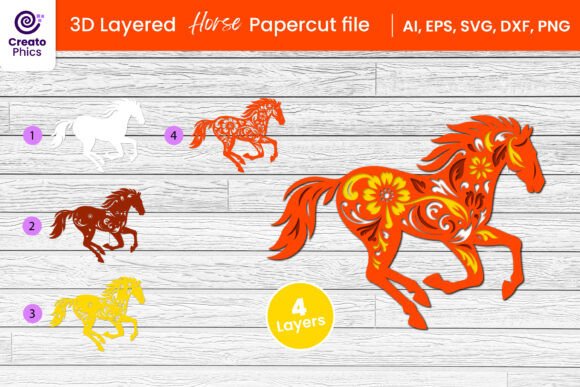
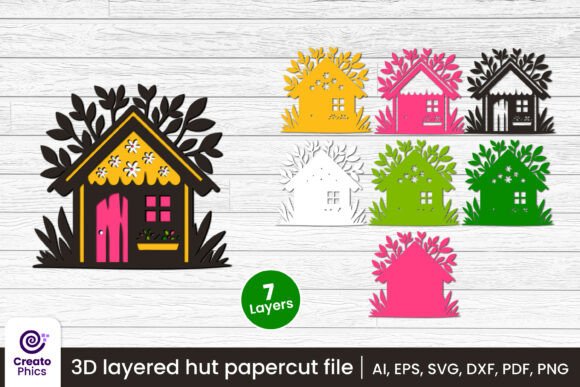
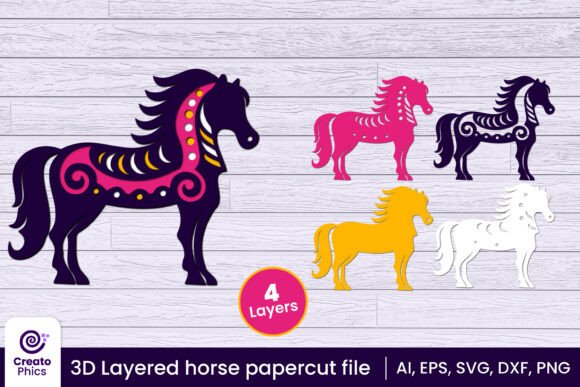
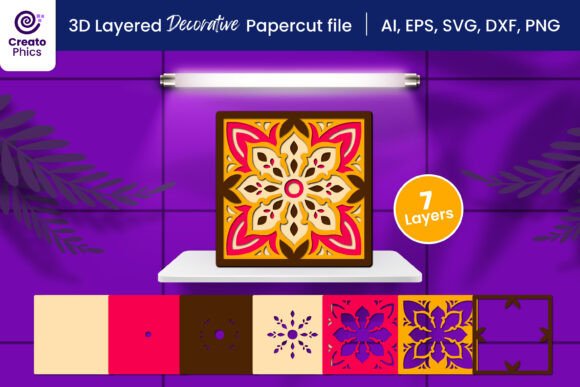
Having each layer provided separately is critical. This allows you to control the spacing between layers, which directly impacts the depth effect. Standard sizes like 12x12 inches are common, but the ability to scale ensures you can adapt the design for larger wall art or smaller keepsakes.
Material Selection and Assembly
The choice of paper can make or break your project. Cardstock with a weight of 65-80 lbs is typically recommended for its durability and ease of cutting. For a more dramatic shadow effect, consider using varying shades of the same color family, progressing from dark at the back to light at the front. Alternatively, contrasting colors can highlight specific floral elements within the mandala.
Assembly requires patience. Use foam tape or spacers between layers to create the necessary gap for shadows to form. The thickness of the spacer determines the depth of the 3D effect. For a subtle look, use thin foam strips; for a bold, dramatic effect, use thicker spacers. Ensure that each layer is aligned perfectly using registration marks or a light box to maintain the symmetry of the mandala.
Enhancing User Experience and Engagement
For bloggers and content creators, documenting the process of creating a 3D Layered Papercut Decorative Mandala can drive significant engagement. Time-lapse videos of the assembly process are particularly popular on social media platforms. They showcase the transformation from flat sheets of paper to a complex, three-dimensional artwork. This visual journey resonates with audiences who appreciate craftsmanship and behind-the-scenes content.
Moreover, offering customizable options can enhance customer satisfaction. Allowing clients to choose color schemes that match their interior décor adds a personalized service element. This approach not only increases the value of the product but also fosters a deeper connection with the buyer.
Final Thoughts on Creative Implementation
The 3D Layered Papercut Decorative Mandala represents a harmonious blend of traditional artistry and modern technology. It offers a accessible entry point into the world of paper engineering while delivering results that look professionally crafted. Whether you are creating for personal joy, gifting, or commercial sale, the key lies in attention to detail and quality materials.
By leveraging high-quality SVG files and understanding the principles of light and shadow, you can create pieces that are not just decorative, but evocative. They invite viewers to pause, reflect, and appreciate the intricate beauty of layered design. As you embark on your next project, remember that the process is just as important as the outcome. Enjoy the meditative rhythm of cutting and assembling, and let your creativity flourish through every layer.
For those ready to start, ensure your cutting machine is well-maintained and your blades are sharp. Clean cuts are essential for the delicate details of floral mandalas. With the right tools and a bit of practice, you will find that creating these stunning pieces becomes a rewarding part of your creative routine.