Evaluating the Coffee 3D SVG for Digital Crafting Projects
In the evolving landscape of digital crafting, file formats play a pivotal role in determining the quality and ease of a project. Among the various assets available to hobbyists and professionals alike, the Coffee 3D SVG has emerged as a popular choice for those looking to add depth and visual interest to their designs. This specific type of scalable vector graphic is engineered to simulate three-dimensional effects through layered cut files, offering a sophisticated aesthetic without the complexity of actual 3D modeling software. Understanding the nuances of this file format is essential for crafters who wish to optimize their workflow and achieve professional-grade results.
Understanding the File Format and Compatibility
The core appeal of the Coffee 3D SVG lies in its accessibility and ease of use. Typically, these files are distributed in a neat, zipped folder, ensuring that all necessary layers and components are organized and ready for immediate use. This organization is crucial for maintaining efficiency, particularly when working with complex multi-layered designs. The primary advantage of this format is its effortless trimmability on industry-standard software such as Silhouette Studio and Cricut Design Space. These platforms are designed to interpret SVG data effectively, allowing users to separate layers, adjust sizes, and prepare cut lines with minimal friction.
However, compatibility remains a critical consideration. While Silhouette and Cricut machines dominate the consumer market, creativity often flows through different types of machinery. If you utilize a different cutting machine or design software, it is imperative to ascertain its compatibility with this distinct file format before purchase. Not all software interprets layered SVGs in the same way, and some may require additional steps to separate colors or layers manually. Therefore, verifying technical specifications beforehand can prevent frustration and ensure a smooth crafting experience.
Why Choose a 3D Layered Design?
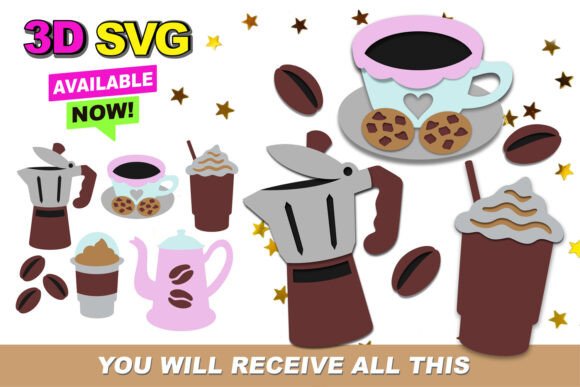
Crafters are often drawn to the Coffee 3D SVG for its ability to create visually striking projects that stand out from flat, single-layer cuts. The "3D" effect is achieved by stacking multiple layers of material, such as cardstock, vinyl, or heat transfer vinyl, each slightly offset or colored differently to create shadows and depth. This technique transforms simple coffee-themed icons—such as cups, beans, or steam swirls—into intricate pieces of art suitable for greeting cards, wall decor, or apparel.
The decision to use a pre-made 3D SVG rather than designing one from scratch offers several practical benefits. First, it saves significant time. Designing layered files requires a deep understanding of spacing, tolerance, and color theory to ensure that the final assembled product looks cohesive. By using a professionally prepared Coffee 3D SVG, users bypass the trial-and-error phase of design, allowing them to focus on the execution and assembly of the project. Second, it ensures consistency. Pre-designed files have been tested for cutability, meaning the lines are clean, and the layers align correctly, reducing the risk of material waste.
Benefits and Practical Applications
The versatility of the Coffee 3D SVG makes it a strong fit for a variety of applications. For small business owners, these files can be used to create unique packaging elements, such as layered tags for coffee bags or boutique gift boxes. The tactile nature of layered paper crafts adds a premium feel that customers often appreciate. For hobbyists, these designs are ideal for scrapbooking, card making, and home decor. A layered coffee cup design, for instance, can serve as a focal point on a handmade birthday card for a caffeine enthusiast, adding a personal touch that flat prints cannot achieve.
Furthermore, the scalability of SVG files means that the same design can be adapted for different purposes without losing quality. Whether you are creating a small embellishment for a journal or a large wall hanging for a café, the vector format ensures crisp edges at any size. This flexibility allows crafters to maximize the value of a single purchase, using the same asset across multiple projects and mediums.
Tradeoffs and Considerations
Despite its advantages, working with 3D SVGs involves certain tradeoffs that users must consider. The most significant factor is the complexity of assembly. Unlike single-layer cuts that can be weeded and applied quickly, 3D layered projects require precise alignment and adhesion. Each layer must be carefully positioned to maintain the intended visual effect, which can be time-consuming. Additionally, these projects often consume more material, as multiple sheets of cardstock or vinyl are required for a single design. Crafters on a tight budget or those with limited storage space for materials may find this aspect challenging.
Another consideration is the learning curve associated with layer management. While the files are described as effortlessly trimmable, beginners may still struggle with understanding how to organize layers in their software, especially if they are new to Silhouette Studio or Cricut Design Space. Misinterpreting the layer order can result in a final product that looks disjointed or fails to convey the intended 3D effect. Therefore, users should be prepared to invest time in learning the basics of their cutting software to fully leverage the potential of these files.
When to Consider Alternatives
While the Coffee 3D SVG is an excellent choice for many projects, it may not be the optimal solution for every situation. If speed and simplicity are your primary goals, a standard flat SVG or a PNG image might be more appropriate. Flat designs require less material, less assembly time, and are generally easier to weed and apply. For large-scale production runs where efficiency is paramount, the additional steps involved in assembling layered designs may not be justifiable.
Additionally, if your cutting machine does not support precise multi-pass cutting or if your software lacks robust layer management features, you may encounter difficulties. In such cases, exploring alternative file formats, such as DXF or PNG, might provide a more straightforward workflow. It is also worth considering whether the aesthetic of a 3D layered design aligns with your brand or personal style. For minimalist projects, the complexity of a 3D SVG might appear overly busy, whereas a clean, single-line design could be more effective.
Making an Informed Decision
Ultimately, the decision to incorporate a Coffee 3D SVG into your crafting repertoire depends on your specific goals, resources, and skill level. If you value detailed, tactile designs and are willing to invest the time in precise assembly, this file format offers a rewarding creative outlet. The convenience of receiving a well-organized, zipped folder with compatible layers simplifies the initial setup, allowing you to dive straight into the creative process.
Before proceeding, evaluate your current equipment and software capabilities. Ensure that your machine can handle the intricacies of layered cuts and that you are comfortable navigating the layer panels in your design software. By aligning your expectations with the technical requirements of the file, you can ensure a successful and enjoyable crafting experience. Whether you are creating gifts for friends or products for your small business, the Coffee 3D SVG provides a versatile and visually appealing option for those ready to explore the depths of digital crafting.