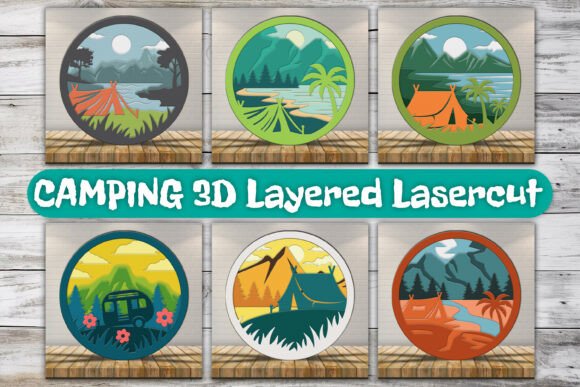
Transforming Outdoor Spaces with Camping Decorations 3D Layered Lasercut Designs
The intersection of digital fabrication and outdoor aesthetics has created a new frontier for enthusiasts who wish to personalize their adventures. Among the most innovative trends in this space is the use of Camping Decorations 3D Layered Lasercut elements. These intricate designs are not merely functional items; they are artistic expressions that bridge the gap between rugged utility and refined craftsmanship. Whether you are a professional event planner, a hobbyist woodworker, or a family looking to add a touch of whimsy to your next weekend getaway, understanding the potential of these layered designs can significantly enhance your outdoor experience.
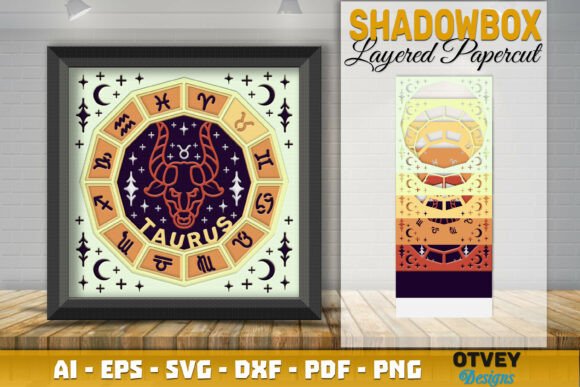
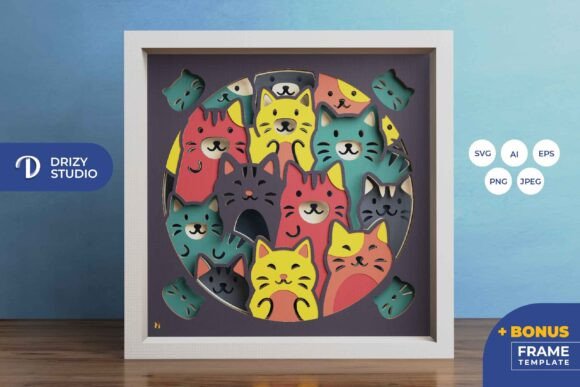
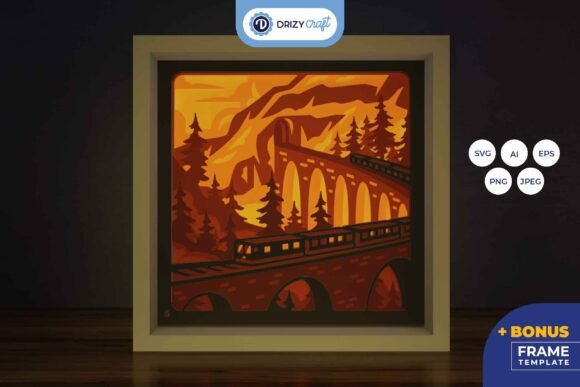
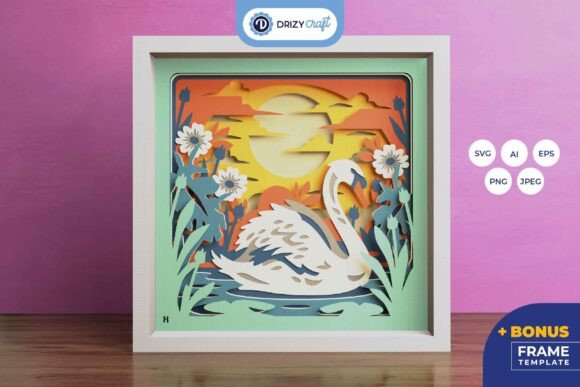
At its core, this technique involves cutting multiple sheets of material—such as plywood, acrylic, or cardstock—and stacking them to create depth, shadow, and dimension. Unlike flat decals or simple painted signs, 3D layered pieces catch the light dynamically, changing appearance as the sun moves across the sky or as a campfire flickers nearby. This visual complexity adds a layer of sophistication to camping gear that was previously unavailable to the average consumer without significant artistic training.
The Artistic and Functional Appeal of Layered Depth
One of the primary reasons creators are turning to layered lasercut designs is the unique aesthetic they offer. A single layer of cut wood can be beautiful, but adding three, five, or even ten layers transforms a simple shape into a sculptural object. For camping decorations, this often translates into topographic maps, forest silhouettes, wildlife profiles, or geometric lantern covers. The shadows cast by each layer create a sense of movement and life, making static objects feel dynamic.
Beyond aesthetics, there is a practical durability aspect. When constructed from high-quality materials like birch plywood or weather-resistant acrylic, these layered items are robust. They can withstand the minor bumps and scrapes inherent to outdoor travel better than fragile ceramic or glass decor. Furthermore, the modular nature of lasercut files allows for easy repair. If one layer gets damaged, it can often be replaced individually without discarding the entire piece, promoting sustainability and long-term use.
Digital Assets and the Creator’s Workflow
For those interested in producing these items, either for personal use or commercial sale, access to high-quality digital files is paramount. The modern maker ecosystem relies heavily on versatile file formats that ensure compatibility across various software and hardware platforms. When sourcing designs for Camping Decorations 3D Layered Lasercut projects, it is essential to have a comprehensive package that supports your specific workflow.
A typical professional-grade asset package includes a wide array of file types to accommodate different needs. You will often find AI (Adobe Illustrator) files for vector editing, allowing for precise adjustments to dimensions or design elements. PDF formats are useful for quick previews and printing templates, while EPS files ensure compatibility with older vector software. For raster-based editing or web previews, JPG and PNG files provide high-resolution visuals. SVG files are crucial for web-based cutting machines and scalable graphics, and DXF files remain the industry standard for many CAD programs and industrial laser cutters.
Having access to this full suite of formats—AI, PDF, EPS, JPG, PNG, SVG, and DXF—empowers creators to work seamlessly regardless of their preferred toolset. It eliminates the friction of file conversion, which can sometimes lead to data loss or formatting errors. This versatility is particularly important for educators and researchers who may need to adapt designs for different classroom technologies or experimental setups.
Applications Across Diverse User Groups
The utility of layered lasercut camping decor extends far beyond the individual camper. Various groups find unique value in these customizable, high-impact designs.
- Professional Event Planners: Glamping resorts and outdoor wedding venues use large-scale layered installations to create immersive photo opportunities. Topographic wall art or oversized floral arrangements made from lasercut wood serve as stunning backdrops that align with natural themes.
- Educators and Researchers: In geography and environmental science classes, 3D layered maps serve as tactile teaching tools. Students can physically engage with terrain models, understanding elevation and landscape features in a way that two-dimensional maps cannot convey.
- Hobbyists and Makers: For individuals who own laser cutters, these designs offer a rewarding project that balances technical precision with creative expression. The process of assembling layers requires patience and attention to detail, providing a satisfying hands-on experience.
- Business Owners: Retailers specializing in outdoor gear can differentiate their product lines by offering customized, artisanal accessories. Personalized nameplates for tents or custom lantern shades add a premium feel to standard camping equipment.
Material Selection and Environmental Considerations
Choosing the right material is critical for both the longevity of the decoration and its environmental impact. While plywood is a popular choice for its warm, natural look, it must be treated properly to resist moisture and UV degradation. Sealants and outdoor-rated varnishes are essential for any wood-based camping decor left exposed to the elements.
Alternatively, acrylic offers superior weather resistance and comes in a variety of translucent colors that interact beautifully with light sources. However, creators must consider the end-of-life disposal of plastics. Biodegradable options, such as bamboo composites or recycled paper boards, are emerging as sustainable alternatives for short-term events or indoor-outdoor transitional spaces.
When designing for the outdoors, it is also wise to consider the weight of the materials. Campers prioritize lightweight gear, so using thin, high-strength materials ensures that the decorations do not become a burden during transport. Layered designs can be engineered to be hollow or use lightweight cores, maintaining the visual volume while minimizing mass.
Enhancing the Camping Experience Through Personalization
The true power of Camping Decorations 3D Layered Lasercut lies in personalization. Unlike mass-produced plastic ornaments, these items can be tailored to reflect individual interests, family names, or specific memories. A layered silhouette of a family’s favorite hiking trail, complete with elevation markers, becomes a cherished keepsake. A lantern shade cut with the constellation visible on the night of a significant anniversary adds emotional depth to the camping experience.
This level of customization fosters a deeper connection to the outdoors. It transforms camping from a generic activity into a curated experience. For families, involving children in the assembly of these layered pieces can be an educational and bonding activity, teaching spatial reasoning and appreciation for craftsmanship.
Navigating the Purchase and Creation Process
For those ready to integrate these designs into their projects, the process begins with selecting the right digital assets. It is crucial to verify that the provider offers the necessary file formats for your equipment. If you are using a desktop laser cutter, SVG and DXF files are typically sufficient. However, if you are working with industrial machinery or need to edit the design extensively, AI and EPS files are indispensable.
Before committing to a purchase, examine the complexity of the layers. Some designs require precise alignment jigs or specialized adhesives for assembly. Ensure that you have the necessary tools and skills to handle the construction. If you are unsure about any aspect of the design or assembly, do not hesitate to seek clarification. Reputable providers often offer support to ensure customer success, recognizing that a well-executed project leads to greater satisfaction and repeat engagement.
Moreover, consider the scale of your project. A small tabletop decoration requires different tolerances than a large wall-mounted piece. Adjusting the scale in your vector software before cutting is essential to maintain the structural integrity of the layers. Thin layers may become fragile if scaled up too much, while thick materials may not fit together if scaled down without adjusting kerf compensation.
Future Trends in Outdoor Digital Fabrication
As technology advances, we can expect to see even more integration of smart materials and interactive elements in lasercut camping decor. Imagine lantern shades that change color based on temperature or topographic maps that light up to show weather patterns. The foundation for these innovations is the precise, layered geometry that current lasercut designs provide.
The community of makers and outdoor enthusiasts continues to grow, sharing techniques and designs online. This collaborative spirit drives innovation, pushing the boundaries of what is possible with simple materials and digital files. By embracing Camping Decorations 3D Layered Lasercut technology, individuals contribute to a broader movement that values creativity, sustainability, and a deeper connection to the natural world.
In conclusion, whether you are a seasoned professional or a curious beginner, the world of layered lasercut camping decorations offers endless possibilities. With the right digital assets, including comprehensive file formats like AI, PDF, EPS, JPG, PNG, SVG, and DXF, you have the tools to create something truly unique. Take the time to explore different designs, experiment with materials, and let your creativity guide your next outdoor adventure. The combination of digital precision and natural beauty creates a harmonious blend that enhances every camping experience.