Evaluating Cute Bugs Elements 3D SVG and Clipart for Modern Crafting Projects
For crafters, designers, and small business owners, the choice of digital assets can significantly impact the efficiency and quality of a project. When exploring resources for whimsical, nature-inspired designs, Cute Bugs Elements 3D SVG and Clipart emerges as a notable option. This collection is not merely a set of flat images; it is designed with depth and layering in mind, catering specifically to those who utilize cutting machines like Silhouette Studio and Cricut Design Space. Understanding whether this specific pack aligns with your workflow requires a closer look at its file structure, compatibility, and practical applications compared to standard two-dimensional alternatives.
Understanding the 3D SVG Format and Its Distinct Advantages
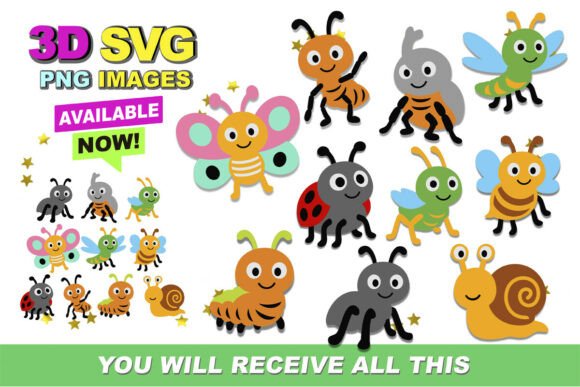
The term "3D" in the context of vector graphics often refers to layered designs that create an illusion of depth when assembled physically. Unlike traditional flat clipart, which prints as a single plane, the Cute Bugs Elements 3D SVG and Clipart collection provides files structured for layering. Each element—whether it is a bee, ladybug, or butterfly—is broken down into component parts such as wings, bodies, and shadows. This structural approach allows crafters to stack materials of different colors or textures, resulting in a tangible, multi-dimensional finish.
This distinction is crucial for users aiming to elevate their projects beyond simple decals. The download includes these complex files in a zipped folder, ensuring that all necessary layers are organized and ready for import. For those accustomed to working with basic PNGs or single-layer SVGs, transitioning to this format may require a slight adjustment in mindset. However, the payoff is evident in the final product, where light and shadow play across the layered elements, adding professional polish to handmade items.
Compatibility and Software Considerations
One of the primary decision factors for any digital crafter is software compatibility. The Cute Bugs Elements 3D SVG and Clipart is optimized for ease of use within Silhouette Studio and Cricut Design Space. These platforms are industry standards for hobbyists and professionals alike, offering robust tools for manipulating vector paths. The files are pre-grouped and labeled in many instances, reducing the time spent on preparation before cutting.
However, it is essential to note that if you are using another type of machine or software, you must ensure compatibility with SVG files. While SVG is a universal web standard, not all cutting machines interpret layered vectors identically. Some older or proprietary systems may struggle with the multiple paths present in a 3D design, potentially requiring manual separation or simplification. Users of non-standard equipment should verify their machine’s ability to handle complex, multi-layered SVGs before purchasing. This due diligence prevents frustration and ensures that the intricate details of the bug elements are preserved during the cutting process.
Comparing 3D Layered Designs to Traditional Flat Clipart
When evaluating Cute Bugs Elements 3D SVG and Clipart against traditional flat clipart, several tradeoffs become apparent. Flat clipart is undeniably faster to use. It requires no assembly, minimal material usage, and works well for quick print-and-cut tasks. In contrast, 3D layered designs demand more time, precision, and material. Each layer must be cut, weeded, and aligned accurately.
Despite the increased effort, the value proposition of 3D elements lies in their perceived quality. For products intended for sale, such as custom birthday decorations or premium stickers, the added dimension justifies a higher price point. Customers often associate layered designs with greater craftsmanship. Therefore, if your goal is to create high-impact visual pieces for special occasions, the 3D format offers a competitive edge over flat alternatives. Conversely, for bulk production of simple labels or temporary decals, flat clipart may remain the more efficient choice.
Practical Applications and Use Cases
The versatility of this collection extends across various crafting mediums. Here are some realistic scenarios where Cute Bugs Elements 3D SVG and Clipart excels:
- Cake Toppers: The layered structure allows for sturdy, freestanding designs. By using cardstock or acrylic, crafters can create durable toppers that withstand handling during celebrations.
- Print-on-Demand Apparel: While primarily designed for cutting, the clipart components can be flattened for printing on shirts. The vibrant, detailed nature of the bugs adds a playful touch to children’s clothing or garden-themed apparel.
- Stickers and Decals: Layered vinyl stickers offer a tactile experience that flat stickers lack. The shadow layers can be cut from translucent vinyl to create a realistic drop-shadow effect, enhancing the visual appeal on laptops, water bottles, or journals.
- Birthday Celebrations: From banner accents to table confetti, the whimsical bug theme fits perfectly into spring or summer-themed parties. The 3D aspect allows for interactive elements, such as pop-up cards or dimensional garlands.
Each application leverages the unique strengths of the file format. For instance, in cake toppers, the rigidity of layered cardstock provides stability, while in stickers, the layering adds depth without significant bulk.
Decision Factors: Is This Collection Right for You?
Choosing the right digital asset depends on your specific needs, skill level, and intended output. Cute Bugs Elements 3D SVG and Clipart is an ideal choice if you prioritize quality over speed and enjoy the process of assembly. It suits crafters who have access to compatible cutting machines and are comfortable working with multiple layers. The inclusion of both SVG and clipart formats also provides flexibility, allowing users to switch between cutting and printing as needed.
However, there are limitations to consider. If you are a beginner unfamiliar with layer management in design software, the learning curve may be steep. Additionally, if your projects require rapid turnaround times, the assembly process for 3D elements might be prohibitive. In such cases, simpler, single-layer alternatives might better serve your workflow. It is also important to assess your material costs; layered designs consume more vinyl, paper, or adhesive, which can impact profit margins for small businesses.
Best Practices for Implementation
To maximize the potential of Cute Bugs Elements 3D SVG and Clipart, consider adopting a few best practices. First, always test cut a single element on scrap material to verify settings. Different materials react differently to blade pressure and speed, especially when intricate details are involved. Second, organize your workspace to keep track of layers. Using color-coded mats or labeled containers can prevent confusion during the assembly phase.
Furthermore, explore creative combinations. Mix the bug elements with other nature-themed designs to create cohesive scenes. The modular nature of the files allows for customization, enabling you to resize or recolor individual components to match specific brand palettes or event themes. This adaptability enhances the longevity of the purchase, as the same assets can be reused in varied contexts.
Final Thoughts on Integrating 3D Elements into Your Workflow
In the broader landscape of digital crafting resources, Cute Bugs Elements 3D SVG and Clipart occupies a niche focused on depth and detail. It is not a one-size-fits-all solution but rather a specialized tool for those seeking to add dimension to their creations. By understanding its requirements, compatibility constraints, and optimal use cases, you can make an informed decision about its place in your toolkit.
Whether you are designing for personal enjoyment or commercial sale, the key lies in matching the resource to the project’s demands. For high-value, visually striking items, the investment in time and material for 3D layering pays dividends. For quick, functional tasks, simpler options may suffice. Ultimately, the value of this collection is determined by how effectively it integrates into your existing workflow and helps you achieve your creative goals.