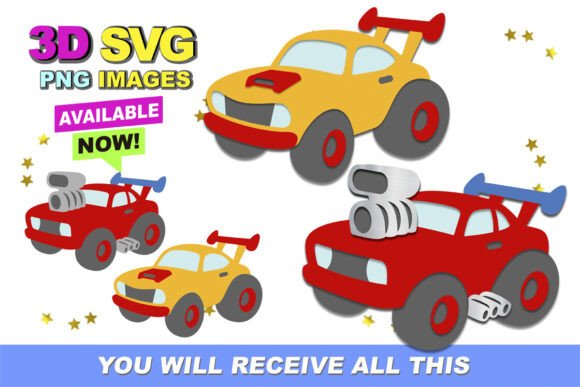
Evaluating Muscle Cars Elements 3D SVG for Automotive-Themed Crafting Projects
For crafters, designers, and automotive enthusiasts, finding digital assets that balance aesthetic appeal with technical usability can be a challenge. The Muscle Cars Elements 3D SVG collection addresses this niche by offering layered vector graphics specifically designed to create depth and dimension in physical projects. Unlike standard flat illustrations, these files are engineered to produce a three-dimensional effect when cut from materials like cardstock, vinyl, or foam. This article explores the practical applications of this collection, compares it to alternative design approaches, and helps you determine if it fits your specific crafting workflow.
Understanding the Structure and Utility of 3D SVGs
The term "3D SVG" in the context of cutting machines does not refer to actual three-dimensional modeling files used in CAD software. Instead, it describes a multi-layered vector file where each layer represents a different depth or color plane. When assembled, these layers create shadows and highlights that mimic a 3D object. The Muscle Cars Elements 3D SVG pack includes various components such as car bodies, wheels, flames, and typography, all pre-separated into these distinct layers.
This structure is particularly valuable for users who want professional-looking results without spending hours manually separating elements in graphic design software. The download typically comes in a zipped folder containing the SVG files, which are universally compatible with most modern cutting software. However, the primary optimization is for Silhouette Studio and Cricut Design Space. These platforms handle layered SVGs efficiently, allowing users to upload the file and immediately see the separation of parts ready for cutting.
Comparing 3D Layered Designs to Traditional Flat Graphics
When deciding between traditional flat SVGs and 3D layered options, it is essential to consider the end goal of your project. Flat graphics are ideal for simple decals, single-color prints, or projects where speed is the priority. They require minimal material and assembly time. In contrast, the Muscle Cars Elements 3D SVG collection is designed for projects where visual impact and texture are paramount.
For example, a flat silhouette of a muscle car might look clean on a t-shirt, but a layered 3D version creates a striking centerpiece for a birthday cake topper or a framed wall art piece. The tradeoff is complexity. Using 3D SVGs requires more material, precise alignment during assembly, and often adhesive techniques to maintain the spacing between layers. If you are producing items in high volume for a quick turnaround, flat designs may be more efficient. However, for bespoke gifts, competition entries, or premium decor, the added effort of 3D layers yields a significantly higher perceived value.
Compatibility and Technical Considerations
One of the critical factors in adopting any digital asset is software compatibility. The Muscle Cars Elements 3D SVG files are vector-based, meaning they scale infinitely without losing quality. This makes them versatile for both small stickers and large posters. While the collection is optimized for Cricut and Silhouette users, it is not exclusive to them.
If you use other cutting machines, such as those from Brother, ScanNCut, or generic CNC plotters, you must ensure your software can import SVG files and manage multiple layers. Some older or proprietary software may require converting the SVG into a different format, such as DXF or PNG. Converting to PNG, however, defeats the purpose of a vector file, as it removes the ability to resize without pixelation and eliminates the clean cut lines necessary for intricate details. Therefore, before purchasing, verify that your specific machine’s ecosystem supports native SVG layering.
Practical Applications Beyond Paper Crafts
While paper crafting is the most common use case, the versatility of these files extends to various mediums. Understanding these applications can help you maximize the value of the download.
- Cake Toppers: The layered design allows for sturdy, freestanding decorations. By using thicker cardstock or acrylic, the 3D effect adds elegance to automotive-themed birthday celebrations.
- Apparel and Textiles: For heat transfer vinyl (HTV), you can use the individual layers to create multi-colored designs on shirts. Note that aligning multiple vinyl layers on fabric requires precision and experience with weeding and pressing.
- Stickers and Decals: Layered vinyl stickers can be created by stacking different colors of permanent vinyl. This technique is popular for laptop decals and water bottles, offering a textured feel that flat prints cannot achieve.
- Home Decor: Framed shadow boxes benefit greatly from this style. By spacing the layers apart with foam tape, you can create a genuine 3D shadow effect that changes with the lighting in the room.
Evaluating the Learning Curve and Time Investment
Adopting 3D SVGs involves a steeper learning curve than standard crafting. Users must understand how to manage layer order, select appropriate materials for each depth, and execute precise assembly. For beginners, this might seem daunting. However, the Muscle Cars Elements 3D SVG collection mitigates some of this difficulty by providing pre-separated layers. This means you do not need advanced skills in Adobe Illustrator or Inkscape to prepare the files.
Nevertheless, the assembly process remains time-consuming. A single car design might consist of ten or more layers. If you are crafting for a business, you must factor this labor time into your pricing. For hobbyists, the process can be meditative and rewarding, but it requires patience. If you frequently find yourself frustrated by intricate weeding or alignment issues, you might prefer simpler designs until you build confidence.
When to Choose This Collection Over Alternatives
Deciding whether the Muscle Cars Elements 3D SVG is the right resource depends on your specific needs. It is an excellent choice if you prioritize unique, high-impact visuals and have the time to assemble layered projects. It is particularly suitable for automotive enthusiasts looking to personalize gifts for car lovers, fathers, or graduates.
Conversely, if you need rapid production capabilities or are working with limited material budgets, flat vector packs or print-on-demand services might be more appropriate. Additionally, if your cutting machine struggles with intricate details or small text, the fine lines in some 3D layers may pose challenges. Always test cut a small section of the design with your specific material before committing to a full project.
Maximizing Value Through Material Selection
The final appearance of a 3D SVG project is heavily influenced by the materials used. Standard cardstock works well for paper crafts, but experimenting with textured papers, metallic finishes, or even thin wood veneer can elevate the design. For outdoor applications, such as car decals, ensure you use weather-resistant vinyl and proper sealing techniques.
Because the Muscle Cars Elements 3D SVG files are scalable, you can adjust the size to fit your material constraints. A smaller design may require finer blades and slower cutting speeds to maintain detail, while larger designs allow for more robust materials. Understanding these nuances ensures that the digital file translates effectively into a physical object.
In conclusion, this collection offers a specialized solution for crafters seeking depth and realism in their automotive designs. By weighing the time investment against the visual payoff, and ensuring your equipment supports layered SVG workflows, you can make an informed decision about integrating these elements into your creative toolkit.