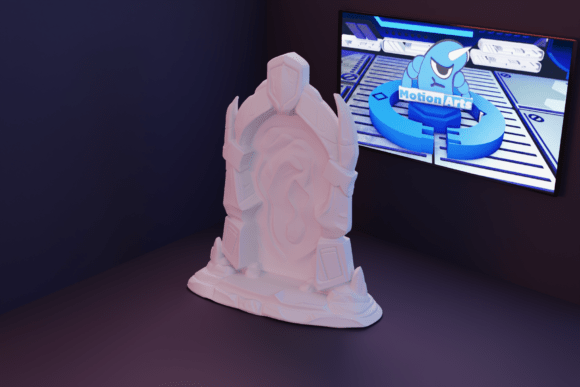
Evaluating the Mystical Portal 3D STL Model for Fantasy Decor and RPGs
The intersection of digital design and physical craftsmanship has opened new avenues for hobbyists, particularly in the realms of tabletop gaming and home decoration. Among the growing library of available designs, the Mystical Portal 3D stands out as a specialized STL model intended for 3D printing. This article provides an objective evaluation of the model, examining its design features, practical applications, and the considerations necessary for achieving high-quality results. Whether you are a dungeon master looking to enhance your campaign setting or a collector seeking unique thematic decor, understanding the specifics of this file can help determine if it aligns with your project goals.
Design Aesthetics and Visual Appeal
The primary draw of the Mystical Portal 3D is its intricate visual language. The model is characterized by precisely carved details, including runes, mystical symbols, and ornate structural elements. These features are not merely superficial; they are integrated into the geometry of the portal to create a sense of depth and realism. For enthusiasts of fantasy genres, these details serve to evoke a narrative of ancient magic and forgotten lore.
The design aims for a balance between complexity and printability. While the surface textures are fine and meticulous, they are engineered to remain distinct even after the printing process. This attention to detail ensures that the final piece retains its enchanting look without requiring excessive post-processing. The aesthetic versatility allows the portal to function as a standalone display piece or as a central component within a larger diorama. Its style complements various fantasy themes, from high fantasy epics to darker, more mysterious settings.
Practical Applications for Hobbyists and Gamers
Understanding where the Mystical Portal 3D fits best requires looking at its potential use cases. The model is designed with versatility in mind, catering to several distinct audiences:
- Tabletop Role-Playing Games (RPGs): For game masters, physical props can significantly enhance player immersion. A printed portal can serve as a focal point on the battle map, marking a transition between worlds or a significant plot location. Its scale can often be adjusted to fit standard miniature sizes, making it a functional tool for storytelling.
- Dioramas and Display Cases: Collectors of fantasy miniatures often seek environmental pieces to contextualize their figures. The portal provides a dramatic backdrop that elevates the presentation of character models, creating a cohesive scene rather than a static display.
- Themed Home Decor: Beyond gaming, the model appeals to those who appreciate fantasy art in their living spaces. When printed in materials that mimic stone or metal, it can serve as an intriguing shelf ornament or desk accessory that sparks conversation.
Technical Considerations and Print Readiness
A critical aspect of any STL file is its optimization for 3D printing. The Mystical Portal 3D is described as "print-ready," which implies that the mesh has been checked for common errors such as non-manifold edges or inverted normals. However, users should still approach the printing process with an understanding of their specific hardware capabilities.
The model’s fine textures and small runes require a printer capable of high resolution. Users with Fused Deposition Modeling (FDM) printers should consider using a smaller nozzle size, such as 0.2mm or 0.4mm, and reducing layer height to capture the subtle details. For those using Stereolithography (SLA) or resin printers, the model is likely to yield superior results due to the technology’s inherent ability to render fine features smoothly. Support structures may be necessary depending on the orientation chosen during slicing, particularly for overhanging arches or intricate carvings.
Material choice also plays a pivotal role in the final outcome. While standard PLA is sufficient for basic prototypes, users aiming for a realistic look might opt for specialty filaments. Stone-filled or wood-filled PLA can provide a textured finish that enhances the ancient, magical appearance of the portal. Alternatively, painting the model after printing allows for complete creative control, enabling the artist to highlight the runes with metallic paints or add weathering effects for a more aged look.
Evaluating Fit: When to Choose This Model
Deciding whether to download and print the Mystical Portal 3D depends on your specific needs and resources. This model is a strong fit if:
- You prioritize detailed aesthetics: If your project demands a high level of visual intricacy and you have the printing capability to reproduce it, this model delivers on its promise of enchanting detail.
- You need a versatile prop: The design’s adaptability to different scales makes it suitable for various miniature systems and display contexts.
- You enjoy post-processing: While the model is detailed, the true magic often comes from painting and finishing. If you enjoy the artistic side of the hobby, this piece offers ample opportunity for creative expression.
Conversely, there are situations where alternatives may be worth considering. If you are using an entry-level FDM printer with limited resolution, the finer runes and symbols may not print clearly, potentially resulting in a muddy appearance. In such cases, a simpler, blockier portal design might be more effective. Additionally, if you require a large-scale prop for life-sized cosplay or stage design, this STL file is likely optimized for tabletop scales and would require significant scaling and possibly sectional printing, which could complicate assembly.
Final Thoughts on Value and Utility
The Mystical Portal 3D represents a well-crafted resource for the fantasy community. It bridges the gap between digital availability and physical tangibility, offering a tangible connection to the imaginative worlds many enthusiasts cherish. Its value lies not just in the file itself, but in the potential it unlocks for creative projects. By carefully considering your printer’s capabilities, material choices, and intended use, you can ensure that the final print meets your expectations.
For those willing to invest the time in proper slicing and finishing, this model offers a rewarding experience. It transforms a simple plastic object into a piece of narrative art, capable of enhancing games, displays, and personal collections. As with any 3D printing project, success depends on preparation and patience, but the result—a gateway to a magical universe—can be a striking addition to any fan’s repertoire.