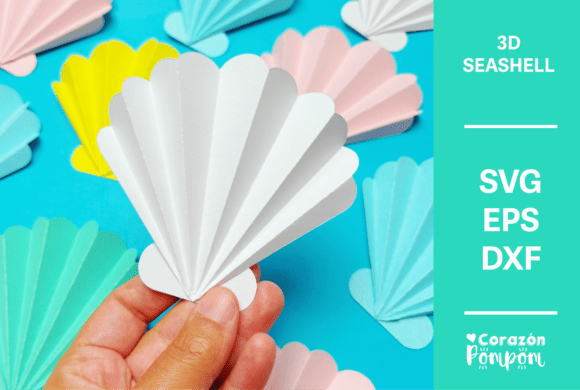
Mastering the 3D Seashell SVG for Precision Crafting and Design
Hello and welcome. This is a digital cutting file designed to be used with a craft-cutting machine like a Cricut, Silhouette, and many other cutting machines or print onto your transfer paper. Not all machines can use SVG, DXF, or EPS files. It is your responsibility to know what file type your machine recognises. All files will be packed in a zip file. Simply unzip extract the file to your computer. You can easily adjust the size of the design and colours to fit your needs through your application and printer settings.
In the evolving landscape of digital fabrication, the intersection of artistic vision and technical precision has never been more accessible. For creators ranging from hobbyists to professional designers, the ability to manipulate vector graphics for physical production is a fundamental skill. The 3D Seashell SVG represents a sophisticated approach to this craft, moving beyond simple two-dimensional outlines into designs that offer depth, texture, and structural integrity. Understanding how to properly utilize these files requires not only creative flair but also a solid grasp of the technical requirements inherent in modern cutting machines.
The Technical Foundation of Vector Cutting Files
Before diving into the specific applications of seashell designs, it is crucial to understand the medium itself. Vector files, such as SVG (Scalable Vector Graphics), EPS (Encapsulated PostScript), and DXF (Drawing Exchange Format), differ significantly from raster images like JPEGs or PNGs. While raster images are composed of pixels and lose quality when enlarged, vector files use mathematical paths to define shapes. This allows for infinite scalability without any loss of resolution, making them ideal for cutting machines that require precise coordinate data to guide their blades.
THIS PRODUCT INCLUDES 1 SVG 1 EPS 1 DXF SCORE LINES. These formats ensure compatibility across a wide spectrum of software and hardware. However, versatility comes with the responsibility of selection. Silhouette users often prefer DXF for its straightforward integration with Silhouette Studio Basic Edition, while Cricut users typically leverage SVG files within Design Space. Professional graphic designers might opt for EPS when working in Adobe Illustrator or CorelDRAW before exporting to a machine-specific format. Recognizing which file type your specific ecosystem supports is the first step toward a successful project.
Understanding Layer Management and Score Lines
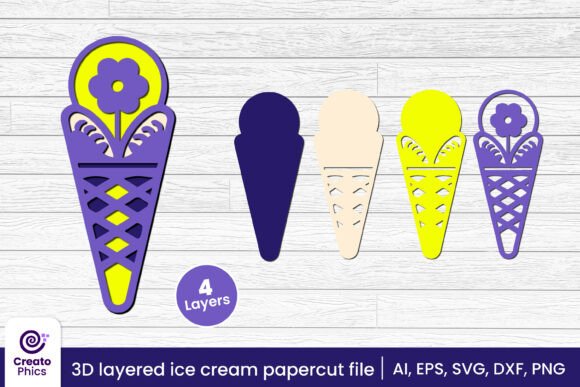
One of the most critical aspects of working with complex designs like a 3D seashell is layer management. Unlike simple stickers or decals, three-dimensional paper crafts rely on the interplay between cutting and folding. These files have two layers. You will need to change the top layer from cut to score. If you don’t make this change, all lines will cut. This distinction is vital for achieving the intended structural form.
Score lines indicate where the material should be folded rather than severed. In the context of a 3D seashell, these folds create the curvature and spiral geometry that mimic natural organic forms. When preparing your file in your chosen software, you must visually inspect the layers. Typically, the score lines are represented by a different color or line style, such as dashed lines. Assigning the correct operation to each layer ensures that the blade cuts the outer perimeter and internal details while the scoring tool creates the necessary creases for assembly. Neglecting this step results in a fragmented design that cannot hold its shape, turning a potential masterpiece into a pile of disconnected pieces.
Material Selection and Machine Compatibility
The success of a 3D paper craft is heavily dependent on the material used. Cardstock is the most common choice for projects involving a 3D Seashell SVG due to its rigidity and ability to hold a fold. Heavier weights, such as 65lb or 80lb cardstock, provide the structural support needed for the shell to stand upright or maintain its spiral form without collapsing. However, lighter papers may be suitable for delicate decorations or layered wall art where structural independence is less critical.
It is essential to calibrate your machine according to the material thickness. Most modern cutting machines allow users to select material presets, but fine-tuning the pressure and blade depth can make a significant difference. For intricate designs with tight curves, a fine-point blade is recommended to navigate the detailed paths of the seashell pattern. Additionally, using a strong grip mat helps prevent the paper from shifting during the cutting process, ensuring that the score lines align perfectly with the cut edges.
Creative Applications and Real-World Use Cases
The versatility of the 3D Seashell SVG extends far beyond simple decorative objects. Educators can utilize these designs to teach geometry and spatial reasoning, demonstrating how two-dimensional planes transform into three-dimensional structures. Students can experiment with different folding techniques and observe how changes in angle affect the final shape, providing a hands-on learning experience in mathematics and engineering principles.
For event planners and wedding coordinators, these digital files offer a cost-effective way to create bespoke decor. Seashell motifs are perennially popular for beach-themed weddings, baby showers, and summer parties. By adjusting the size and colors through application settings, creators can produce cohesive table centerpieces, place card holders, or hanging ornaments that match specific color palettes. The ability to scale the design means that one file can generate everything from miniature favors to large-scale backdrop elements.
Interior designers and home decor enthusiasts also find value in these assets. A cluster of 3D seashells, painted in metallic golds or soft pastels, can serve as elegant wall art. The depth created by the layered construction adds visual interest and shadow play that flat prints cannot achieve. Furthermore, because the files are digital, users can iterate on designs rapidly, testing different arrangements and color combinations without the waste associated with traditional manufacturing methods.
Workflow Optimization for Digital Crafters
To maximize efficiency when working with these files, establishing a consistent workflow is beneficial. Start by organizing your digital assets. Since all files will be packed in a zip file, creating a dedicated folder for each project helps keep track of versions and modifications. After unzipping and extracting the file to your computer, open the appropriate format in your design software. Before sending the job to the cutter, always perform a virtual preview. This step allows you to verify that the score lines are correctly assigned and that no paths are overlapping unnecessarily, which could cause the blade to drag or tear the paper.
Color customization is another area where digital tools excel. You can easily adjust the size of the design and colours to fit your needs through your application and printer settings. This flexibility allows for rapid prototyping. For instance, if you are creating a gift set, you might produce shells in varying shades of blue to mimic the ocean gradient. By saving these color profiles, you can replicate the look across multiple batches, ensuring consistency in commercial or large-scale personal projects.
Considerations for Commercial Use and Licensing
For business owners and entrepreneurs, understanding the licensing terms of digital assets is paramount. While many creators offer files for personal use, commercial licenses may be required for selling finished physical products made from these designs. Always review the terms provided by the designer. Using a 3D Seashell SVG to create items for sale can be a lucrative venture, particularly on platforms like Etsy or at local craft fairs. However, transparency with customers about the handmade nature of the product and adherence to intellectual property rights ensures a sustainable and ethical business practice.
Moreover, marketing these products effectively involves highlighting the craftsmanship involved. Emphasize the precision of the cut, the quality of the materials, and the unique three-dimensional aspect of the design. High-quality photographs that capture the shadows and depth of the seashell can significantly enhance appeal. Demonstrating the versatility of the design, such as showing it used in different contexts or colors, can broaden the potential customer base.
Conclusion
The integration of digital files like the 3D Seashell SVG into the crafting process opens up a world of possibilities for creators at all levels. By mastering the technical aspects of file formats, layer management, and machine calibration, users can transform simple vector paths into intricate, tangible art. Whether for educational purposes, event decoration, or commercial enterprise, the key lies in attention to detail and a willingness to experiment. As technology continues to bridge the gap between digital design and physical creation, the tools available to hobbyists and professionals alike will only become more powerful, enabling ever more complex and beautiful creations.